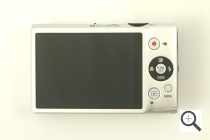
The Canon G1 X goes boldly where no PowerShot has gone before. It delivers top-notch images with a big 1.5-inch sensor, but the viewfinder and AF acquisition leave something to be desired.
Announced at CES 2012 as the new flagship of Canon's Powershot lineup, the G1 X was "scheduled" to be available in February, but that timeframe has now slipped a bit. For folks anxiously awaiting its arrival, the first week of March now looks like the best possible scenario.
A major cause of the anticipation generated for this new camera is sensor-based - the G1 X carries the largest physically-sized sensor to date in any Powershot digital, a 1.5-inch model sized much closer to a Canon DSLR than its G-series relative, the G12. The 1/1.7-inch sensor in the G12 is one of the largest in all of the compact digital ranks and measures 7.6 x 5.7mm; the G1 X sensor measures 18.7 x 14mm and the APS-C sensor of the Canon 60D 22.3 x 14.9mm.

To put things in perspective, the G1 X sensor has approximately 6.3 times the surface area as that of the G12. In addition, Canon's UK press release notes that the pixel size and structure of the G1 X sensor is the same as the 60D. Resolution is 14.3 megapixels and the sensor design is CMOS, which suggests that high ISO noise performance should reach new levels, at least for a Powershot digital. The native ISO range for the camera is 100 to 12800 ISO.
The camera features a 4x stabilized zoom lens covering the 28 to 112mm focal range in 35mm equivalents and the standard compact digital automatic and scene shooting modes are accompanied by full manual controls. Here's a look at that focal range.

Telephoto
Video capability is 1080 HD with stereo sound and there is a built-in pop-up flash with an electronic viewfinder that accompanies the 3.0-inch LCD monitor, which is articulable. Canon's latest generation DIGIC 5 processor is on board and the camera can record still images in JPEG, RAW, or RAW - JPEG combinations. SD/SDHC/SDXC memory media is compatible; the camera will also accept Eye-Fi memory cards, but Canon will not guarantee the camera will support Eye-Fi functions including wireless transfer.
While Canon's UK press release describes the camera as "Created for professional and serious photographers..." the company has clearly hedged its bets by including a host of point-and-shoot features targeting a more novice-based audience: face detection autofocus, face select autofocus, automatic smile detection shooting, a wink self-timer, a face self-timer and blink detection. Canon includes a battery pack and charger, USB interface cable, lens cap, neck strap, CD-ROM software and basic printed user's manual with each camera (a CD-ROM with the complete manual is also included). MSRP on the camera is $800 - higher than two Rebel DSLRs in Canon's own fleet.
The G1 X measures about 4.6 x 3.17 x 2.55-inches and weighs in at a little over 17 ounces without a battery or memory card, so it won't be doing much traveling on shooting assignments in a shirt pocket. On the other hand, there's that big sensor to consider along with the fact the G1 X comes in smaller and lighter than the tiniest Canon DSLR. Mirrorless interchangeable lens cameras have gotten their share of attention lately and with the exception of Canon,
View the original article here
Announced at CES 2012 as the new flagship of Canon's Powershot lineup, the G1 X was "scheduled" to be available in February, but that timeframe has now slipped a bit. For folks anxiously awaiting its arrival, the first week of March now looks like the best possible scenario.
A major cause of the anticipation generated for this new camera is sensor-based - the G1 X carries the largest physically-sized sensor to date in any Powershot digital, a 1.5-inch model sized much closer to a Canon DSLR than its G-series relative, the G12. The 1/1.7-inch sensor in the G12 is one of the largest in all of the compact digital ranks and measures 7.6 x 5.7mm; the G1 X sensor measures 18.7 x 14mm and the APS-C sensor of the Canon 60D 22.3 x 14.9mm.

To put things in perspective, the G1 X sensor has approximately 6.3 times the surface area as that of the G12. In addition, Canon's UK press release notes that the pixel size and structure of the G1 X sensor is the same as the 60D. Resolution is 14.3 megapixels and the sensor design is CMOS, which suggests that high ISO noise performance should reach new levels, at least for a Powershot digital. The native ISO range for the camera is 100 to 12800 ISO.
The camera features a 4x stabilized zoom lens covering the 28 to 112mm focal range in 35mm equivalents and the standard compact digital automatic and scene shooting modes are accompanied by full manual controls. Here's a look at that focal range.
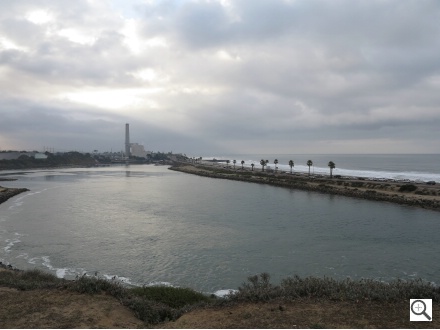
Telephoto
Video capability is 1080 HD with stereo sound and there is a built-in pop-up flash with an electronic viewfinder that accompanies the 3.0-inch LCD monitor, which is articulable. Canon's latest generation DIGIC 5 processor is on board and the camera can record still images in JPEG, RAW, or RAW - JPEG combinations. SD/SDHC/SDXC memory media is compatible; the camera will also accept Eye-Fi memory cards, but Canon will not guarantee the camera will support Eye-Fi functions including wireless transfer.
While Canon's UK press release describes the camera as "Created for professional and serious photographers..." the company has clearly hedged its bets by including a host of point-and-shoot features targeting a more novice-based audience: face detection autofocus, face select autofocus, automatic smile detection shooting, a wink self-timer, a face self-timer and blink detection. Canon includes a battery pack and charger, USB interface cable, lens cap, neck strap, CD-ROM software and basic printed user's manual with each camera (a CD-ROM with the complete manual is also included). MSRP on the camera is $800 - higher than two Rebel DSLRs in Canon's own fleet.
The G1 X measures about 4.6 x 3.17 x 2.55-inches and weighs in at a little over 17 ounces without a battery or memory card, so it won't be doing much traveling on shooting assignments in a shirt pocket. On the other hand, there's that big sensor to consider along with the fact the G1 X comes in smaller and lighter than the tiniest Canon DSLR. Mirrorless interchangeable lens cameras have gotten their share of attention lately and with the exception of Canon,
View the original article here